Premium TV Wall Mounting Services for a Stylish, Modern Finish
Skilled TV wall mounting services deliver an effective approach for individuals wanting to upgrade their interior spaces. By delivering firm installations and perfect positioning, these offerings support a sleek appearance while elevating usability. Certified technicians not only assess wall structures but also manage cables effectively. This creates a streamlined look that aligns with contemporary design. Yet, exploring the finer details of this offering can uncover additional advantages that many property owners may miss.
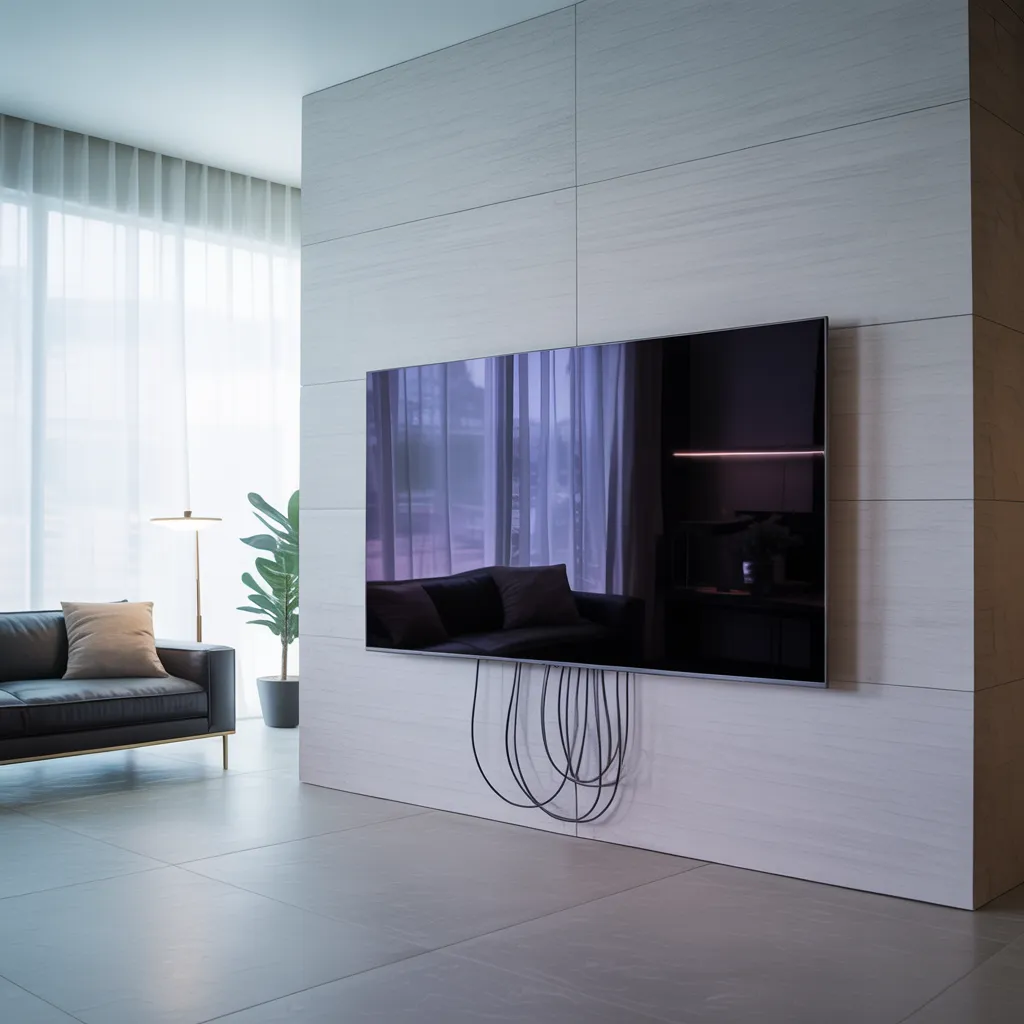
What Makes Professional TV Wall Mounting Services the Right Choice
When residents contemplate installing their TVs on the wall, they commonly fail to recognize the advantages of hiring expert services. Certified wall mounting provides not only correct fitting but also improves overall safety. Qualified professionals have the knowledge and skills necessary to assess wall types, identify wall studs, and calculate the ideal placement for comfortable viewing. Such proficiency reduces the chance of injury to walls or the television unit.
Moreover, professionals can proficiently manage wiring and cable management, achieving a streamlined and orderly appearance. They understand the importance of harmonizing design with performance, ensuring that the installation complements the overall design of the room. As an added benefit, hiring professionals generally offers warranties and guarantees, giving homeowners comfort concerning their expenditure. When opting for professional TV mounting solutions, householders can enjoy a smooth and seamless process, resulting in a sturdy and attractive installation that elevates their home environment.
How Wall Mounting Transforms Your Home's Aesthetic
Mounting a television on the wall can dramatically improve a living space's overall look, as it does away with cumbersome furniture and delivers a clean, polished aesthetic. By placing the television at the optimal viewing height, it enhances the viewing experience while preserving a sleek, contemporary atmosphere. This streamlined solution not only reduces clutter but also enables greater flexibility in room arrangements, giving rooms a more expansive and open feel.
In addition, TV wall mounts work as a central feature, giving homeowners to design around them with artwork or shelving that enhances the overall decor. The addition of hidden cables greatly improves the aesthetic, creating a polished appearance that elevates both the look and practicality.
Additionally, wall mounting promotes a current feel, complementing prevailing design trends that favor elegance and simplicity. At its core, this deliberate placement uplifts a home's overall atmosphere, transforming ordinary living spaces into distinguished surroundings.
Your Experience During TV Wall Mounting
Planning for TV wall mounting requires a series of structured steps to guarantee a flawless installation process. First, the technician assesses the wall structure and locates the best mounting location, accounting for factors such as wall studs and cable management. After selecting the suitable mounting bracket, they ensure that all necessary tools and materials are at hand.
The process starts with careful measurements and wall markings to maintain accuracy. The installer then carefully fastens the bracket, ensuring it is perfectly level and securely anchored. When the bracket is properly positioned, the TV is methodically positioned, with attention to cable connections and positioning for ideal viewing.
After the installation, the technician checks the setup, making sure the TV performs correctly and meets the desired appearance. Finally, all debris and packaging materials are removed, ensuring the area is neat and ready to use.
Best Practices for TV Wall Mounting Locations
Selecting the optimal spot for placing a TV involves multiple key factors to enhance both usability and visual appeal. Initially, the viewing distance is crucial; a distance of 1.5 to 2.5 times the screen's diagonal measurement is advised for ideal comfort. Next, eye level is important; the middle of the screen should correspond to the viewer's line of sight when in a seated position. This delivers an enjoyable viewing experience without straining the neck.
Additionally, the wall's composition and structure must be examined to avoid any potential damage. Securing the mount to a stud instead of drywall ensures superior support. Natural light should also be considered, as glare may reduce visibility; positioning the TV away from direct sunlight is advisable. Lastly, accessibility to power outlets and cable management should be factored in to maintain a clean, organized look. Adhering to these guidelines ensures a properly positioned TV that enhances the room's aesthetic.

Top 5 Benefits of Professional TV Mounting versus DIY
Selecting a professional service for TV wall mounting can offer significant advantages over a self-installation approach. First, professionals hold the skills to choose the right mounting brackets and hardware, ensuring maximum safety and stability. Additionally, they are equipped with specialized tools that facilitate efficient installation, minimizing the chance of damage to walls or the TV itself. Moreover, professionals can determine the optimal viewing angles and placements, elevating the overall look and functionality of the space. Fourth, professional services often come with warranties, offering reassurance should any issues arise post-installation. To conclude, hiring experts saves time and effort, allowing homeowners to focus on fully utilizing their entertainment systems rather than contending with the installation process. Altogether, these advantages highlight the value of opting for professional TV wall mounting services.
Prevent These Frequent TV Wall Mounting Blunders
Mounting a TV can be an exciting project, but various typical missteps can cause disappointment and unintended damage. A common mistake involves neglecting to find wall studs, which can result in inadequate support for heavier TVs. Moreover, overlooking proper cable routing can result in a cluttered appearance, diminishing the polished appearance of an installed TV. Poor height selection represents another typical mistake; positioning the screen at an improper level can lead to neck pain and decreased watching pleasure. Moreover, using the wrong mounting hardware can compromise safety and stability. In addition, ignoring the proper viewing angle with respect to furniture placement can negatively impact the overall enjoyment. By steering clear of these errors, homeowners can ensure a smooth setup that improves their home environment. Engaging professional services can additionally mitigate these risks, providing expertise and precision for a flawless setup.
Questions We Often Receive
How Long Does a Regular TV Wall Mounting Service Typically Take?
An average TV wall mounting installation requires approximately one to two hours. Elements such as wall material, mounting height, and required cable management can influence reference the total time needed for setup and installation.
What Tools Do You Need for DIY TV Wall Mounting?
Critical items for home TV wall installation include a wall stud locator, level, power drill, fasteners, wall anchors, measuring tape, and a socket wrench. These items guarantee a safe and precise installation for perfect TV viewing.
Can a TV Be Mounted on Any Wall Type?
Yes, a TV can be mounted on multiple wall types, including concrete, drywall, and brick. Keep in mind that, proper anchors and mounting techniques are essential for guaranteeing safety and stability across different wall materials.
Am I Required to Bring My Own Wall Mount?
Typically, clients are required to provide their own wall mount, making sure it suits their specific TV and wall type. However, some services may offer mounts for purchase, so it's advisable to confirm beforehand.
Is It Safe to Wall Mount Large, Heavy TVs?
Wall mounting large, heavy TVs can be safe when the right mounts and installation methods are applied. Selecting suitable mounting hardware is critical and confirm that the wall structure is capable of adequately supporting the TV's weight.